About Us
The Friends of Ironbridge Gorge Museum were set up in 1968 with the aim of supporting the Museum through fundraising and volunteering in many capacities, which it continued to successfully do until the National Trust took over the management of the Museum in March 2026.
In February 2026 members of the original Friends organisation gave their backing for a new organisation to be formed to work with the National Trust as a support group for the property now known as ‘Ironbridge Gorge’. The new group is called the ‘Friends of Ironbridge Gorge’, its intention is to build on the strong affection which has developed locally for the Property and to continue to provide both the practical and financial help its predecessor did.
The Friends of Ironbridge Gorge is run by a management committee that is appointed at the Annual General Meeting (AGM) of the association. The Committee itself meets at least four times a year to manage and further develop the work of the organisation.
If you would like to support the work of the association by becoming a ‘Friend’ of Ironbridge Gorge, please click the website navigation menu item: Become a Friend.
Membership provides a range of benefits including a regular newsletter, access to talks and specialist tours; there are also a Facebook and Instagram pages to keep you updated with events and developments within the Friends and the Ironbridge Gorge.
Origins and History
The Ironbridge Gorge is a unique area in Eastern Shropshire created by the River Severn as it carved its way through the East Shropshire Coalfield during the last Ice Age 20,000 years ago. Rich in mineral deposits of coal, ironstone, limestone and clay these resources were exploited from the 14th Century, first by the monks of neighbouring abbeys at Buildwas and Much Wenlock and then from the early 18th Century, by entrepreneurs seeking to play their part in the Industrial Revolution.
“Ironbridge is the physical embodiment of profound changes that took place in the Industrial Revolution of the 18th and 19th centuries.” So says the introduction to the ‘Archaeology and Conservation in Ironbridge’ Report prepared for the Council for British Archaeology in 1999 whilst others have simply referred to it as ‘the Cradle of the Industrial Revolution’.
As a result, the Ironbridge Gorge is home to many of the significant changes that took place in the Industrial Revolution of the 18th and 19th centuries. Spearheaded by families like the Darbys of Coalbrookdale the area was a hive of activity exploiting its mineral resources of coal, clay, ironstone and limestone, earning the area the name ‘the most Extraordinary District in the World’ with the Iron Bridge at its centre as the ultimate symbol of innovation.
At its heyday in the late 18th century Ironbridge could claim to be the most technologically advanced district in the world, the Silicon Valley of its day, but by the early 20th century the ebb and flow of industrial fortunes left an area in decline with acres of derelict land, amongst which were many significant industrial monuments, key to not only the areas past but Britain’s industrial heritage.
By the early 20th century industrial decline beset the area leading to descriptions of it being ‘large, dirty and ugly’. Salvation came in the form of Allied Ironfounders Ltd., owners of the old blast furnace at Coalbrookdale, who excavated and preserved the furnace in 1959 to mark the 250th anniversary of Abraham Darby’s use of coke to smelt iron, and in the designation of the area as a new town in 1963, which was eventually to be called Telford.
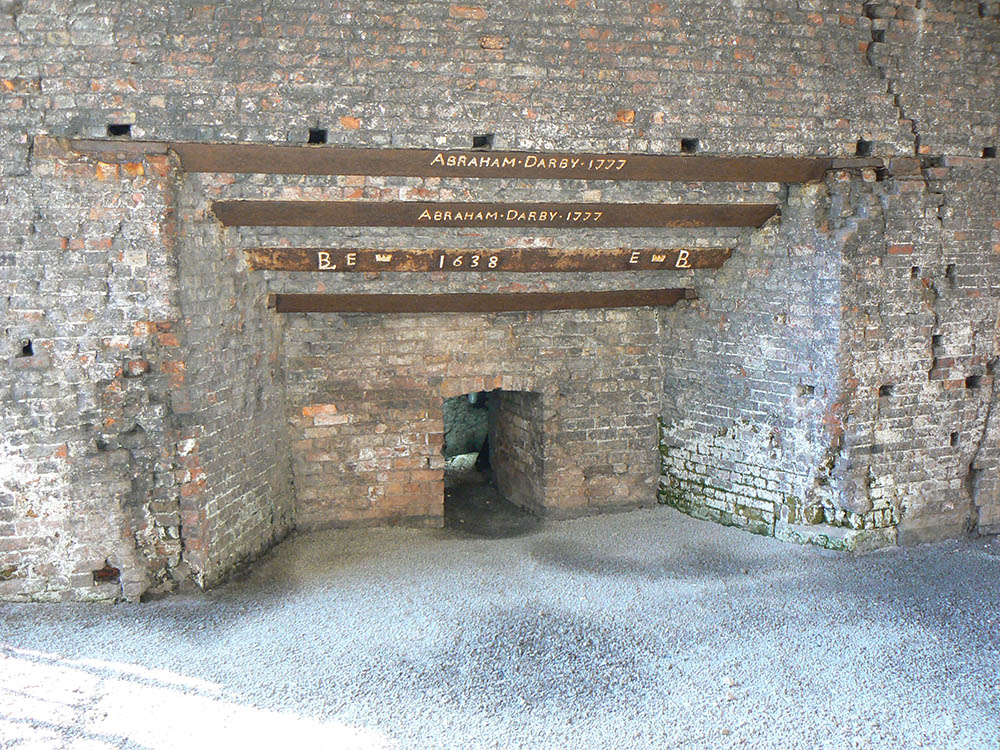
1) The Old Furnace
The new town had the responsibility of not only reclaiming large areas of derelict industrial land but also managing a series of archaeologically significant monuments within its boundaries. The decision to treat the Ironbridge Gorge as an open-air museum, ‘a sort of national park of industrial archaeology’ led to the creation of the Ironbridge Gorge Museum Trust in 1969 which established the trend for a new type of museum that has taken root across the UK. In recognition of the important role the Gorge played in the technological developments of the 18th century the area was declared a World Heritage Site in 1986.
From its infancy in the late 1960s it was clear that without substantial volunteer support such a museum could not successfully operate and the Friends of Ironbridge Gorge Museum was formally established in 1970 to support the Museum through fundraising, volunteering and the provision of a Guiding service. Further specialist support was provided through a series of Advisory Groups to provide the Museum with the benefit of expertise in areas such as Photography, Tiles, Heavy Clay, Ceramics, Transport, Social History and Archive Research. A series of monthly talks was instigated to stimulate interest in the Industrial Revolution and provide an opportunity for Friends to meet and socialise.
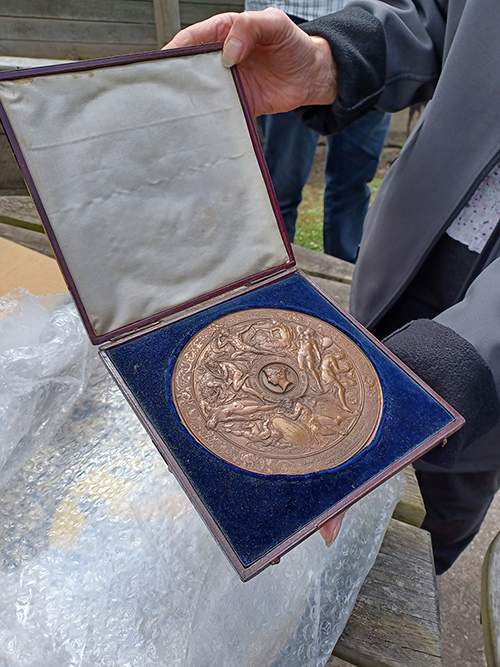
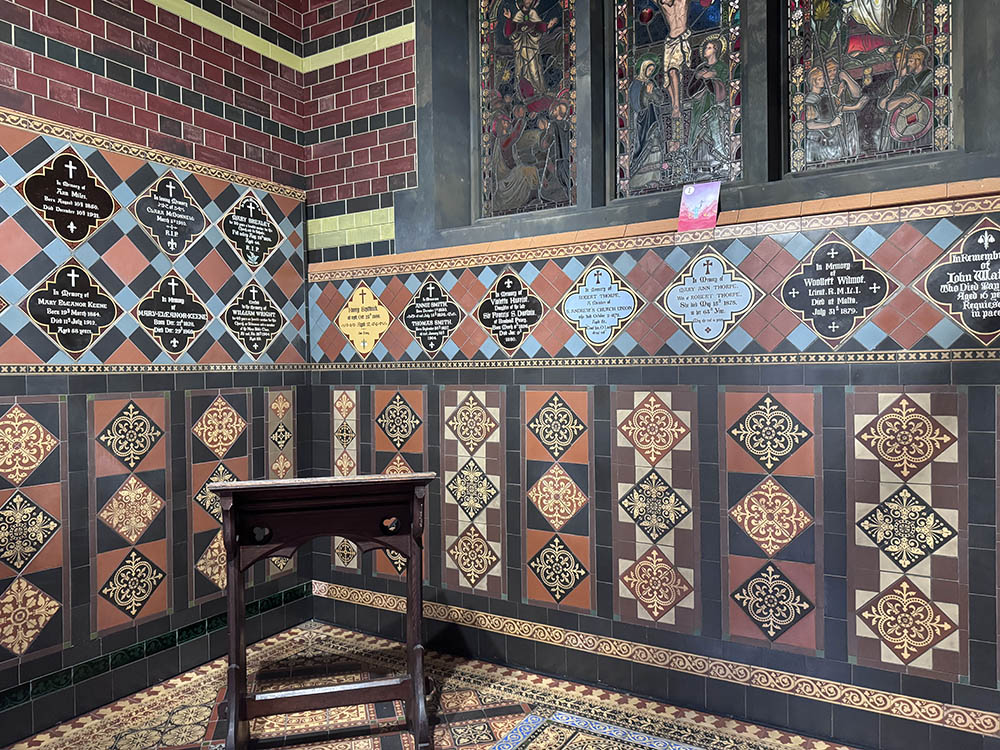
1) One of the objects purchased by the Friends
In addition to their many thousands of hours of volunteer support, the Friends raised over £1.5 million for the Museum which enabled the purchase of key items for its Nationally Designated Collections and various Museum sites as well as supporting several practical improvements to those sites. The significance of the Friends contribution was recognised in 2016 with the awarding of The Queen’s Award for Voluntary Service.
Over its 57-year history the Friends of Ironbridge Gorge Museum helped to protect the past of the unique area that is the Ironbridge Gorge, brought to life the voices from that past and added significantly to the quality of visitor experience. With the takeover of the National Trust in March 2026 a new group, The Friends of Ironbridge Gorge, was created to support the National Trust in not only preserving the buildings, monuments and collections at Ironbridge but provide a community link to help tell the stories of this time of transformation and its relevance today.